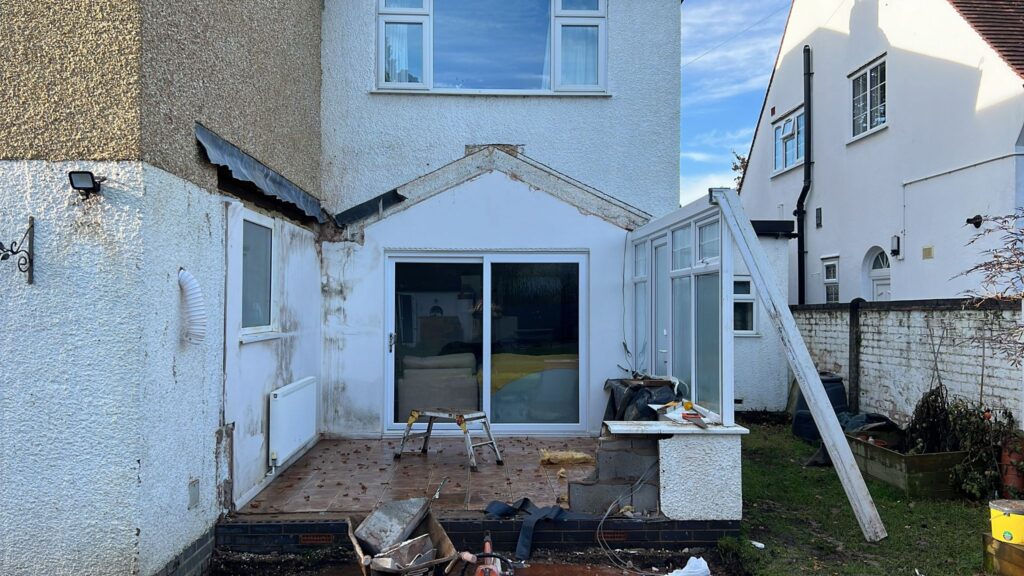
A single-storey rear extension remains one of the most popular ways for UK homeowners to add space and value — but with construction costs continuing to rise in 2026, understanding the true price is more important than ever. Materials, labour, planning, and building regulations have all increased in cost over the past 18 months, meaning homeowners need clear, realistic numbers before starting.
In this guide, you’ll get a complete cost breakdown, current price ranges, examples, and an explanation of what affects the price in 2026, so you can plan confidently — not guess. Whether you’re looking for a simple rear extension or a large kitchen-diner transformation, this article gives you the clarity you need.
What Is a Single-Storey Rear Extension?
A single-storey rear extension is an additional room (or rooms) built onto the back of your home at ground floor level. It typically extends out into your garden and is commonly used to create:
- An open-plan kitchen-diner
- A larger living area
- A utility or boot room
- A downstairs bathroom
- A brighter, more functional layout
- A connected indoor–outdoor living space
Rear extensions are popular because they maximise unused garden space without altering the roofline of the entire building, making them more cost-effective than two-storey options.
Average Cost of a Single-Storey Rear Extension in 2026 (UK)
In 2026, UK homeowners can expect to pay:
- Low range: £40,000–£65,000 (basic build, small footprint, standard materials)
- Mid range: £65,000–£90,000 (popular kitchen-diner size, better glazing, improved finish)
- High range: £90,000–£120,000+ (large extensions, structural steel, high-spec kitchens, rooflights, bifolds)
Rear Extension Cost per m² in 2026
| Finish Level | Cost per m² (2026) | Suitable For |
| Basic | £1,800–£2,200 / m² | Simple layouts, standard materials |
| Mid-Range | £2,200–£2,900 / m² | Modern kitchen-diners, rooflights, good glazing |
| High-End | £2,900–£3,800+ / m² | Large openings, premium glazing, bespoke designs |
Realistic Total Cost Ranges
| Size | Typical m² | 2026 Price Range |
| Small | 10–15 m² | £40,000–£55,000 |
| Medium | 20–25 m² | £60,000–£85,000 |
| Large | 30–40+ m² | £90,000–£120,000+ |
These numbers include design, labour, materials, structural work, and VAT.
Cost Breakdown: Where Your Money Goes
Design & Architectural Drawings
£1,200–£3,500
Includes measured survey, concepts, planning drawings, and technical drawings.
Planning Permission Fees
- Planning application: £258 (England 2026)
- Lawful Development Certificate (if using Permitted Development): £129
- Planning consultant (if needed): £600–£1,500
Structural Engineer Fees
£500–£2,500
For steel calculations, load-bearing walls, foundations, and structural design.
Building Control Fees
£700–£1,200
Covers inspections from start to finish.
Groundworks
£5,000–£15,000+
Includes foundations, drainage, levelling and soil removal. Poor ground = higher cost.
Labour Costs
£20,000–£45,000
Depends on project duration, region, and complexity.
Materials
£10,000–£35,000
Includes bricks, blocks, timber, insulation, plaster, flooring, and finishes.
Roofing
£3,000–£15,000
Options include flat roof, pitched roof, warm roof, GRP, EPDM, or tiles.
Windows & Glazing
£3,000–£20,000+
- Standard windows: £500–£1,500 each
- Bifold doors: £2,000–£6,000
- Roof lantern: £1,500–£3,500
- Large sliding doors: £4,000–£10,000+
Electrics & Plumbing
£2,000–£8,000
Higher if adding a kitchen, boiler changes, or underfloor heating.
Kitchen / Bathroom (If Included)
- Kitchen: £8,000–£25,000+ installed
- Bathroom: £3,000–£10,000
VAT
20% (unless your contractor qualifies for a reduced rate in certain circumstances)
Factors That Affect Extension Costs in 2026
Size & Footprint
Larger footprint = more materials, more labour, more structural work.
Build Quality
Higher insulation, better glazing, and premium finishes increase cost.
Level of Finish
Basic, mid-range, or premium — the finish level influences everything from flooring to fixtures.
Ground Conditions
Clay soil, trees, drains, or sloping gardens can add thousands to the groundwork bill.
Access to the Property
Terraced homes with limited access cost more due to manual material handling.
Plumbing/Electrical Complexity
Moving kitchens, boilers, or drains adds cost.
Glazing Choices
Large openings or bespoke glazing dramatically increase the budget.
Structural Steel Requirements
A big opening for bifolds or sliders often requires substantial RSJs.
Location
London & the South East can be 20–40% more expensive.
2026 Inflation & Supply Chain
Imported materials (steel, timber, glazing) continue to fluctuate.
Do You Need Planning Permission for a Single-Storey Rear Extension?
Many rear extensions fall under Permitted Development (PD) if they meet the criteria:
Permitted Development Rules (General)
- Maximum rear extension depth:
- Terraced/Semi-detached: up to 3 metres
- Detached: up to 4 metres
- Terraced/Semi-detached: up to 3 metres
- Maximum height: 4 metres
- Must not cover more than half the garden
- Development must use similar materials
- No balconies or raised platforms
Larger Home Extensions (6m or 8m depth) require prior approval, even under PD.
You WILL Need Planning Permission If:
- You’re in a conservation area
- You exceed PD size limits
- Your home has already been extended
- The design differs significantly from the existing house
For expert help navigating planning rules, see our rear extension design and build service.
Building Regulations You Must Follow
All rear extensions in the UK must comply with Building Regulations, including:
Structural Safety (Part A)
Foundations, walls, roofs, and load-bearing steels must meet safety standards.
Thermal Performance (Part L)
Energy efficiency requirements for insulation, windows, and doors.
Fire Safety (Part B)
Escape routes, fire-resistant materials, and smoke alarms.
Ventilation (Part F)
Mechanical extract where required, trickle vents, and airflow.
Drainage & Waste (Part H)
Correct drainage layout and foul water network connections.
Electrical Safety (Part P)
All electrical work must be signed off by a qualified electrician.
Our expert extension planning and construction support ensures every part of your project is compliant.
How Long Does a Rear Extension Take to Build? (2026 Timeline)
A typical single-storey rear extension takes 10–16 weeks to build, plus pre-construction stages.
Pre-Construction
- Planning/drawings: 2–6 weeks
- Building control: 1–2 weeks
- Party wall (if required): 4–8 weeks
Construction Phase
Weeks 1–2: Groundworks & foundations
Weeks 3–5: Brickwork, blockwork, structural opening, RSJs
Weeks 6–8: Roof structure, insulation, windows, external works
Weeks 9–12: First fix electrics/plumbing, plastering
Weeks 13–16: Flooring, kitchen install, decorating, final fix
How to Reduce the Cost of a Rear Extension in 2026
- Choose a simpler rectangular design
- Use standard-sized doors and windows
- Avoid moving drains or structural walls where possible
- Keep kitchen plumbing in the same position
- Use a high-quality but mid-range kitchen
- Get multiple quotes from contractors
- Consider a slightly smaller footprint (saves materials + time)
Conclusion
A single-storey rear extension in 2026 typically costs £40,000–£120,000+, depending on size, materials, structural complexity, and finish level. Understanding the full breakdown helps you set a realistic budget and avoid surprises.
If you want expert support with planning, design, and construction, explore our professional home extension builders for clear guidance and a smooth project from start to finish.